A History
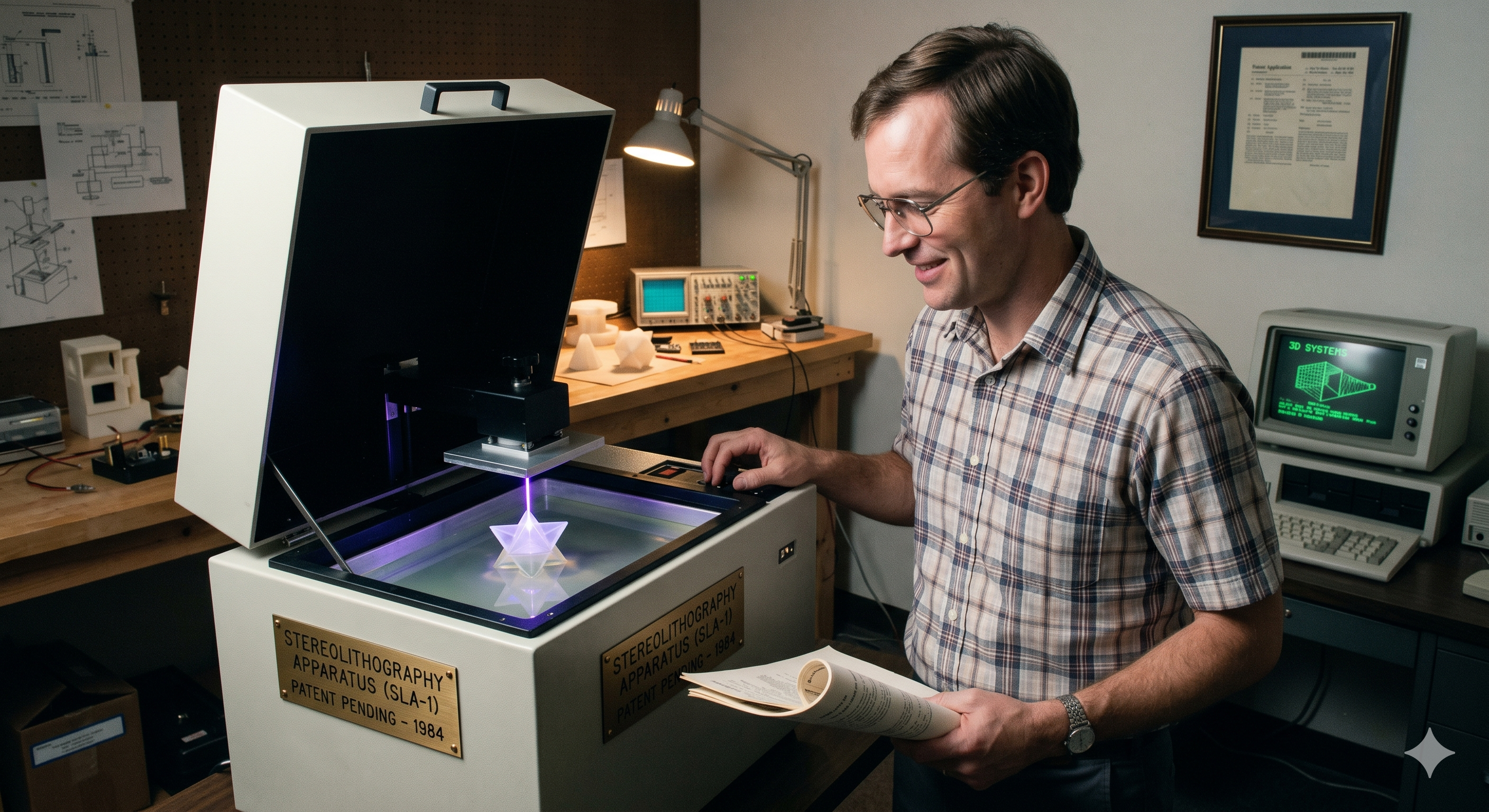
The history of 3D printing, or additive manufacturing, began in the early 1980s with the pioneering work of Dr. Hideo Kodama, who in 1981 published the first account of a solid model created using photopolymer technology. However, the field was truly established by Charles "Chuck" Hull, who invented Stereolithography (SLA) in 1983 and filed the first patent for the process in 1984. Hull's invention, which used UV light to cure thin layers of resin into solid objects, led to the founding of 3D Systems, the world's first 3D printing company. Shortly after, other foundational technologies emerged, including Selective Laser Sintering (SLS), patented by Carl Deckard and Joe Beaman in 1986, and Fused Deposition Modeling (FDM), patented by Scott Crump in 1989.
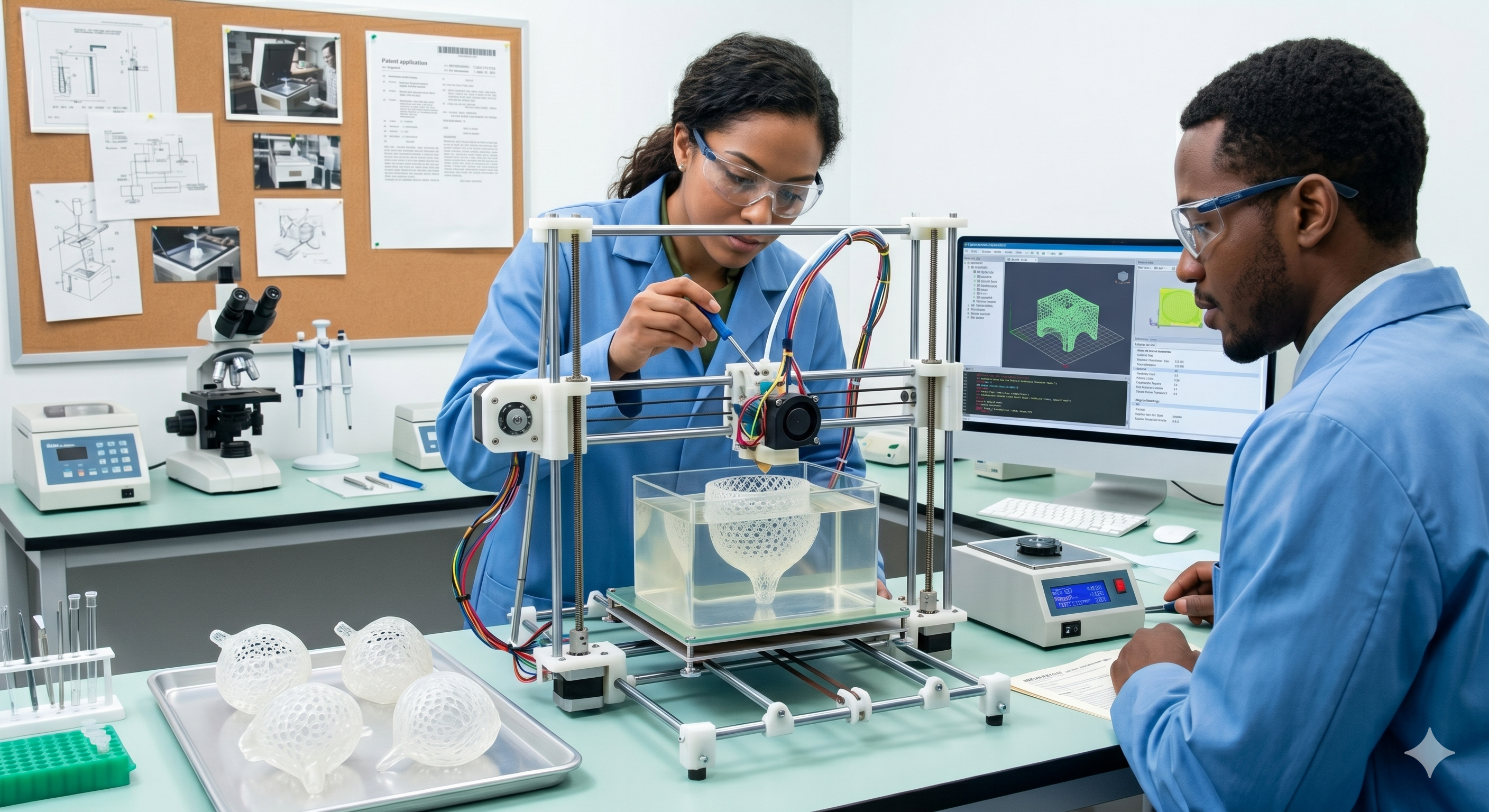
The 1990s and early 2000s saw 3D printing transition from a high-end industrial prototyping tool to a more versatile technology with profound medical and consumer applications. In 1999, scientists achieved a major milestone by 3D printing a synthetic scaffold for a human bladder, which was successfully implanted into a patient. The industry reached a major turning point in the mid-2000s with the launch of the RepRap Project in 2004, an open-source initiative aimed at creating a self-replicating 3D printer. This project, combined with the expiration of key FDM patents in 2009, triggered a massive surge in affordable desktop 3D printers and popularized the technology within the global maker community. By the 2010s, 3D printing had expanded into manufacturing everything from car bodies and jet engine parts to custom medical prosthetics and even food.